

Barbu de Watermael
Barbu de Watermael hens are truly petite, about the size of a large quail, and lay about 100-120 small, white eggs per year. Mature hens average around 1 pound, while roosters reach about 1.5 pounds. Their elegant crest and full beard frame the face, giving them a distinctive and almost aristocratic appearance. Despite their delicate size, these bantams are surprisingly hardy, adapting quickly to new coops and staying busy and active throughout the day. In our flocks, we keep a rooster-to-hen ratio of about 1:8, which balances well.
Breed
Standard
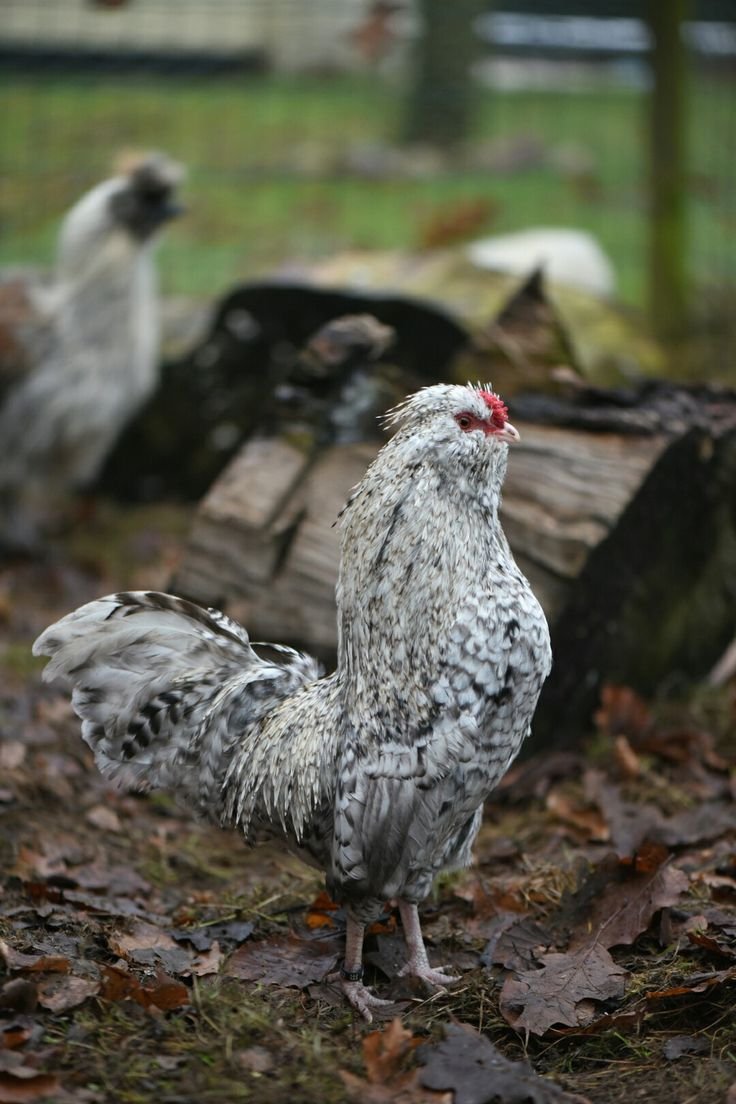
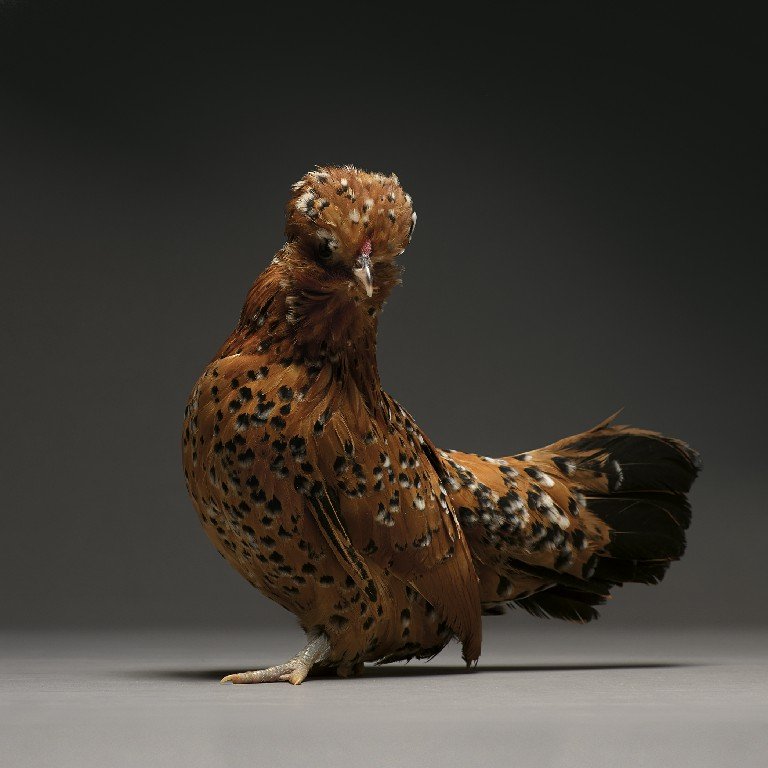
The Barbu de Watermael is distinguished by its stylish crest and beard, a rose comb with three distinct points, and clean grey legs. Both hens and roosters stand tall with an upright carriage, a short back, and wings that angle gracefully toward the ground.Want to dive deeper into the Watermael’s breed standard? Follow the link below and scroll to the section dedicated to the Barbu de Watermael!
Breed Defects
or Issues
A small percentage of offspring from our breeding flock may develop woolly or "silky" feathers. These birds should be culled as this trait is not acceptable for birds intended for breeders. This feather type is not easily noticeable on hatch day, so this trait must be monitored as the birds mature.You may occasionally encounter a rare defect where a chick is missing its beard. In most cases, however, patience is key—it can take a month or two for the bird to grow in a proper beard.