
Ayam Cemani,
For Sale
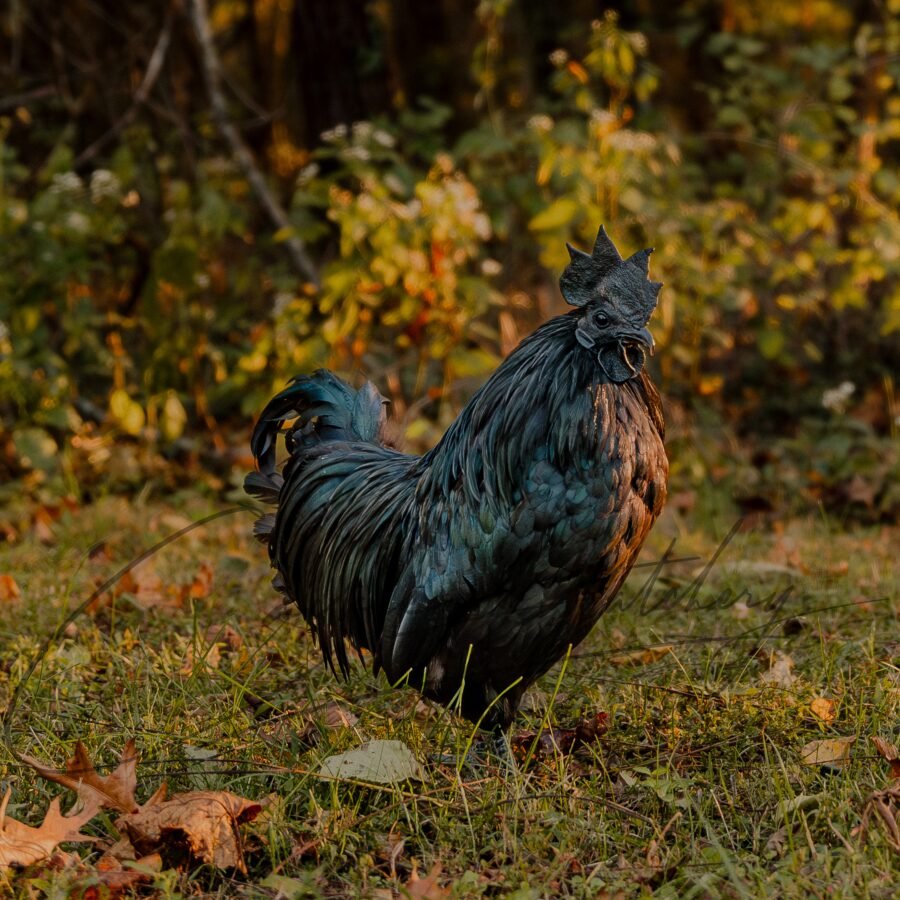
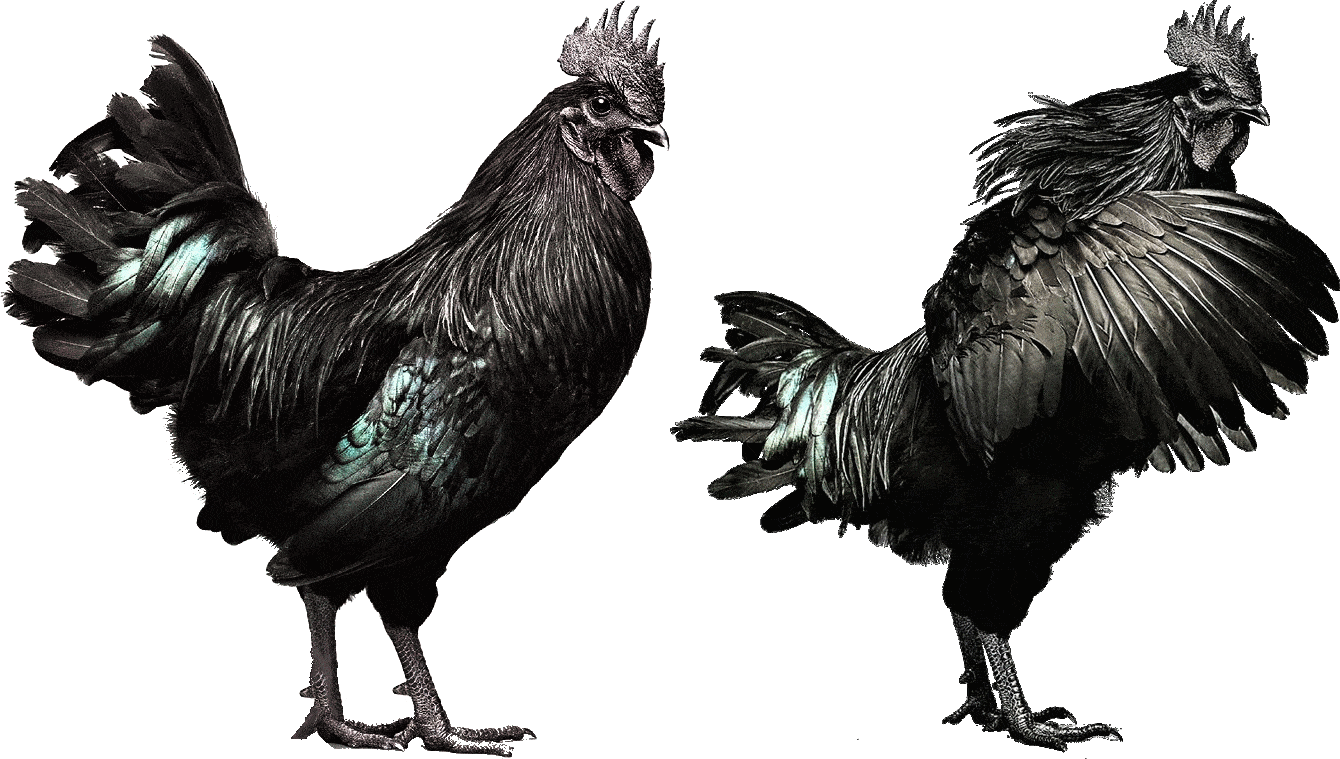
Our Ayam cemani for sale are instantly recognizable for their striking, all-black appearance, which extends from feathers and skin to beak, legs, and even internal tissues. Hens display a sleek, glossy plumage with subtle iridescent highlights, while roosters carry a slightly more pronounced stature with similarly deep black coloring. Despite their exotic and almost mystical look, these birds are active and hardy.
Ayam Cemani History
The Indonesian chicken breed known as Ayam Cemani takes the concept of ‘dark’ to an entirely new level. Their feathers are black. Their skin is black. Cut open an Ayam Cemani and you’ll find black muscle anchored to black bones. Even their organs share the same inky hue. Yet from this extraordinary depth of color emerges one of the most breathtakingly beautiful chickens in the world, so exotic and striking that it has earned the nickname “the Lamborghini of poultry”.
In Asia, Ayam Cemani are renowned as much for the mystical powers of their black meat as they are for their extraordinary ink-black feathers that shimmer with a metallic sheen of beetle green and purple. The reason for these excessive black traits is a result of a fibromelanistic gene. This gene is not very common and is only seen in a few other chicken breeds. The fibromelanistic gene causes black pigment or melanin to build up in the skin and connective tissues.
The Ayam Cemani are believed to originate from the island of Java in Indonesia. The history of the Cemani traces back to around 1500 AD, during a period when Javanese culture was deeply shaped by Hindu and Buddhist traditions. The breed is thought to have developed from a cross between native chickens and birds introduced by Indian traders, giving rise to a distinct lineage with its signature, striking traits.They were reportedly first imported to Europe in the 1950s, but It wasn’t until the 1980s that the Ayam Cemani began to capture worldwide attention, celebrated for its rare genetic makeup and extraordinary appearance. In 2014, Greenfire Farms was able to locate and legally import the first pure specimens of this breed into the United States. In 2023, we were fortunate enough to import a new line of Ayam Cemani from Belgium, which we offer separately from our existing line. This new bloodline shows less mulberry coloration and will contribute valuable genetic diversity to our Cemani flocks—and to yours.
Ayam Cemani Appearance
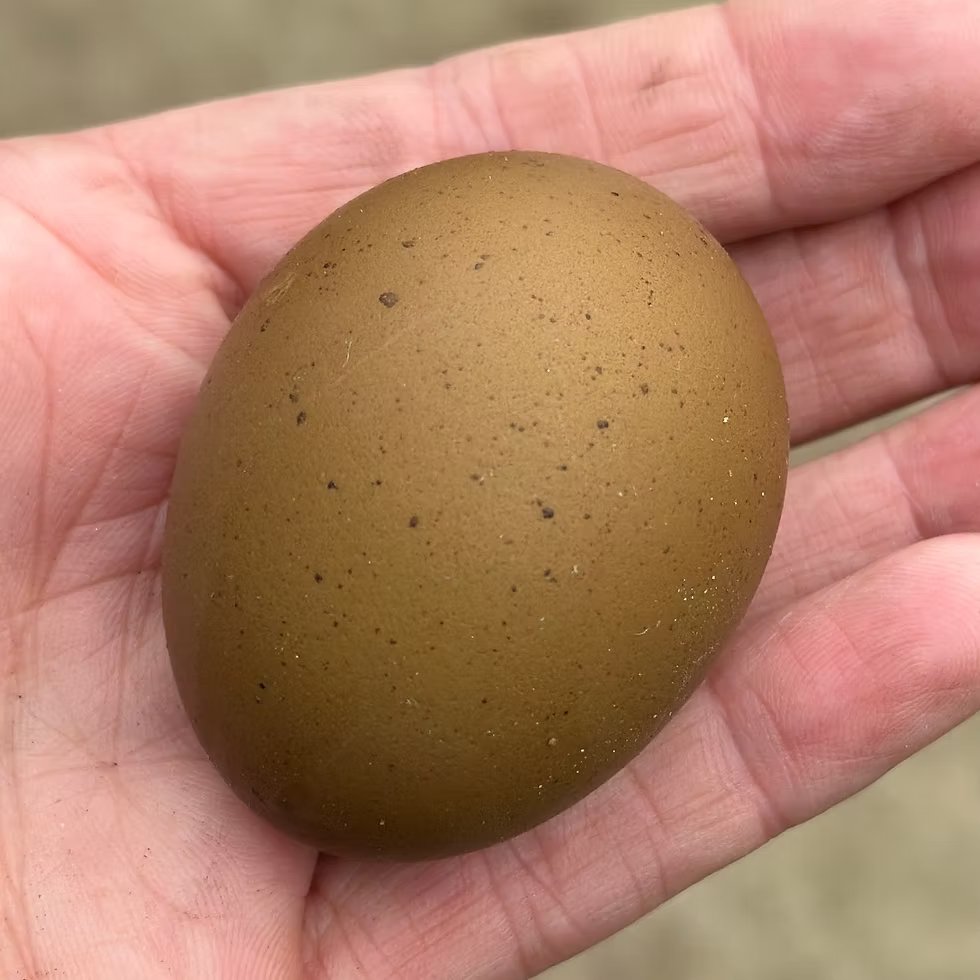
Cemani are medium-sized birds, with mature roosters typically weighing between 5 and 7 pounds, and hens around 4 to 5 pounds. Hens generally lay 100 to 120 small to medium cream-colored eggs during their first year. Their laying pattern differs from many other breeds, often starting and stopping throughout the spring and summer. While some sources suggest they may lay 20 to 30 eggs before pausing for several months, our experience indicates shorter gaps between laying periods. Nonetheless, it’s important to consider this unique laying behavior when deciding whether to add Ayam Cemani to your flock.
Cemani ladies are notoriously broody and do a good job of protecting their babies once they’ve hatched. Not only are they broody, but also very vocal when picking their nest box. We’ve observed some hens entering broodiness in the spring and maintaining it well into the summer months, and even into the fall. A rooster-to-hen ratio of 1:12 works well for the Cemani.
This breed is defined by its fibromelanistic traits, including black skin, feathers, and beak. It should also display a single comb with five distinct points and wings carried tightly, positioned just below the horizontal plane of the body. With their upright stance and broad chest, Ayam Cemani more closely resemble gamefowl than the heavier landrace breeds.
We incubate at 99.5°F and 55% humidity. We normally see about 70% of chicks hatch on day 21. In most cases, any eggs that don’t hatch on day 21 will not hatch, though we do allow an extra day just in case; late hatches are rare.
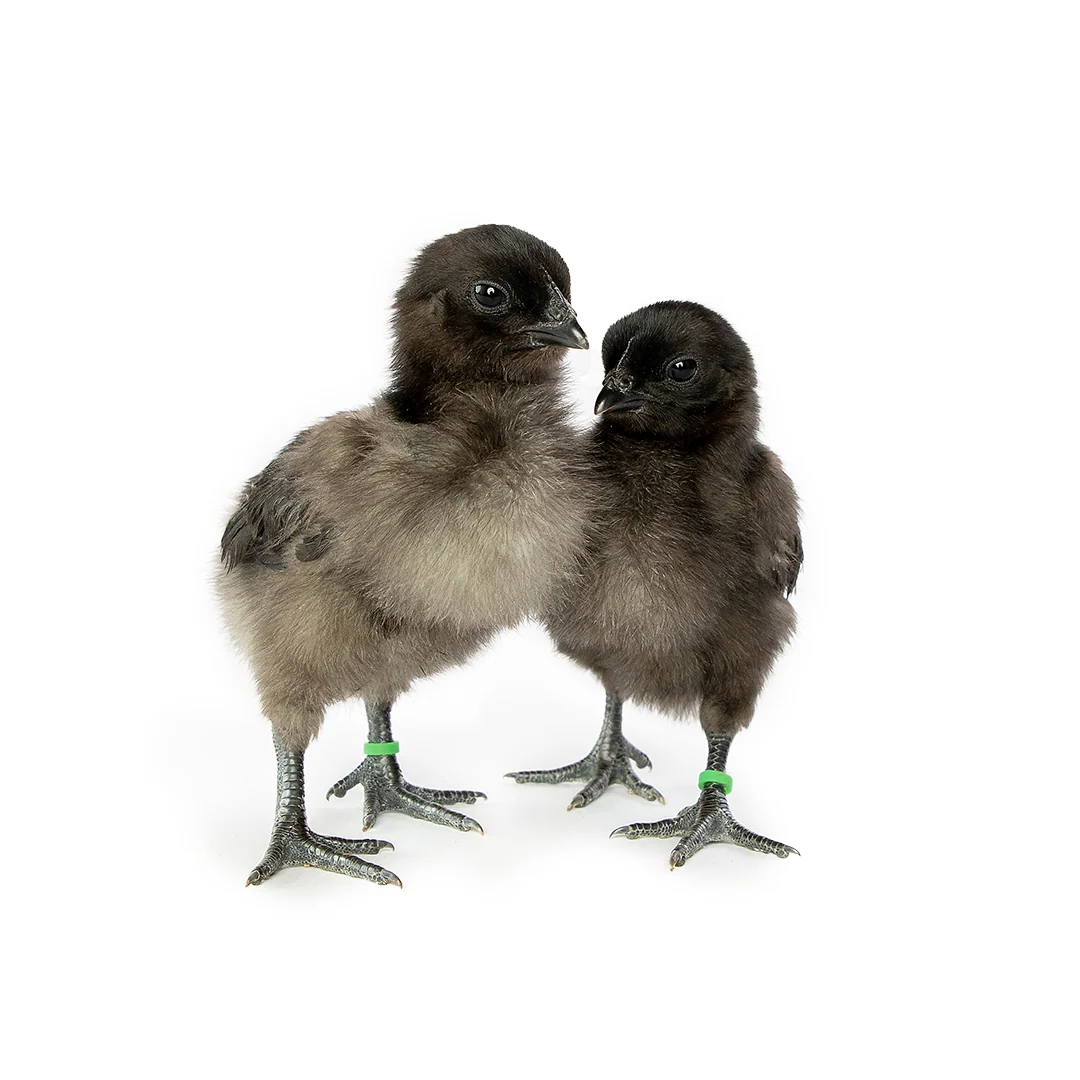
When purchasing ayam cemani for sale or day-old chicks, please note that we carefully evaluate each hatchling to confirm black toe pads, nails, and feathers. Chicks showing pink toe pads or nails are culled to maintain the breed’s standards.
When purchasing hatching eggs from this breed, we cannot guarantee the quality of fibromelanistic traits; you should thoroughly check each chick for a black tongue, black toes and nails, and black or dark gray fluff. Keep in mind that toe pads and nails may continue to darken during the first few weeks. On rare occasions, some birds from our breeding flock may develop silver feathers in the hackles. Any birds showing this trait should be culled and excluded from future breeding programs. We are actively working to eliminate this issue, but it will require careful selection on your part as well. The merits of every bird should be assessed as they reach adulthood.